

Blog
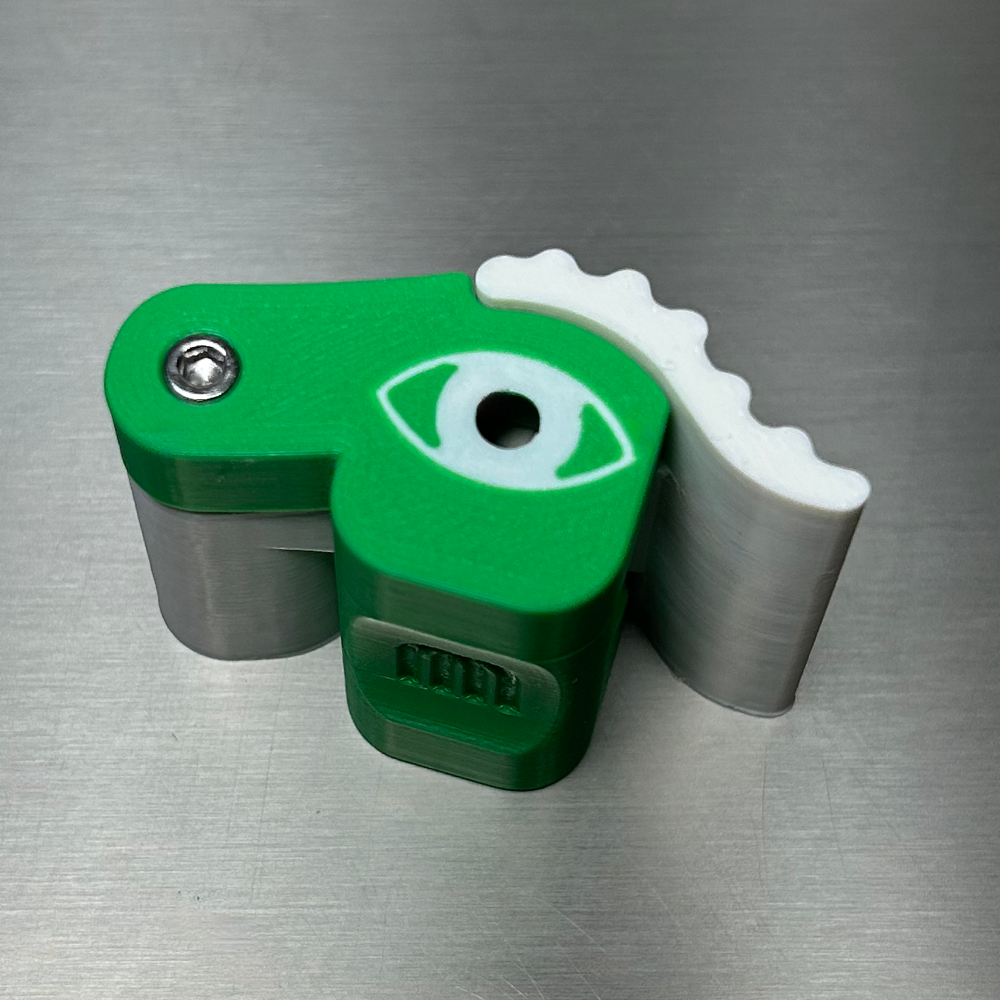
Introducing the Ergonomic Eye Drop Dispenser for Single-Use Vials by Useful & Usable Workshop™
For anyone relying on daily eye medication, single-use vials are a modern convenience wrapped in a frustrating, slippery plastic package. Squeezing them requires a tight pinch grip that can turn a routine morning task into a painful ordeal, especially for those with limited hand dexterity. Today, UUWorkshop is changing that with the launch of a new ergonomic eye drop dispenser designed to let physics do the heavy lifting.
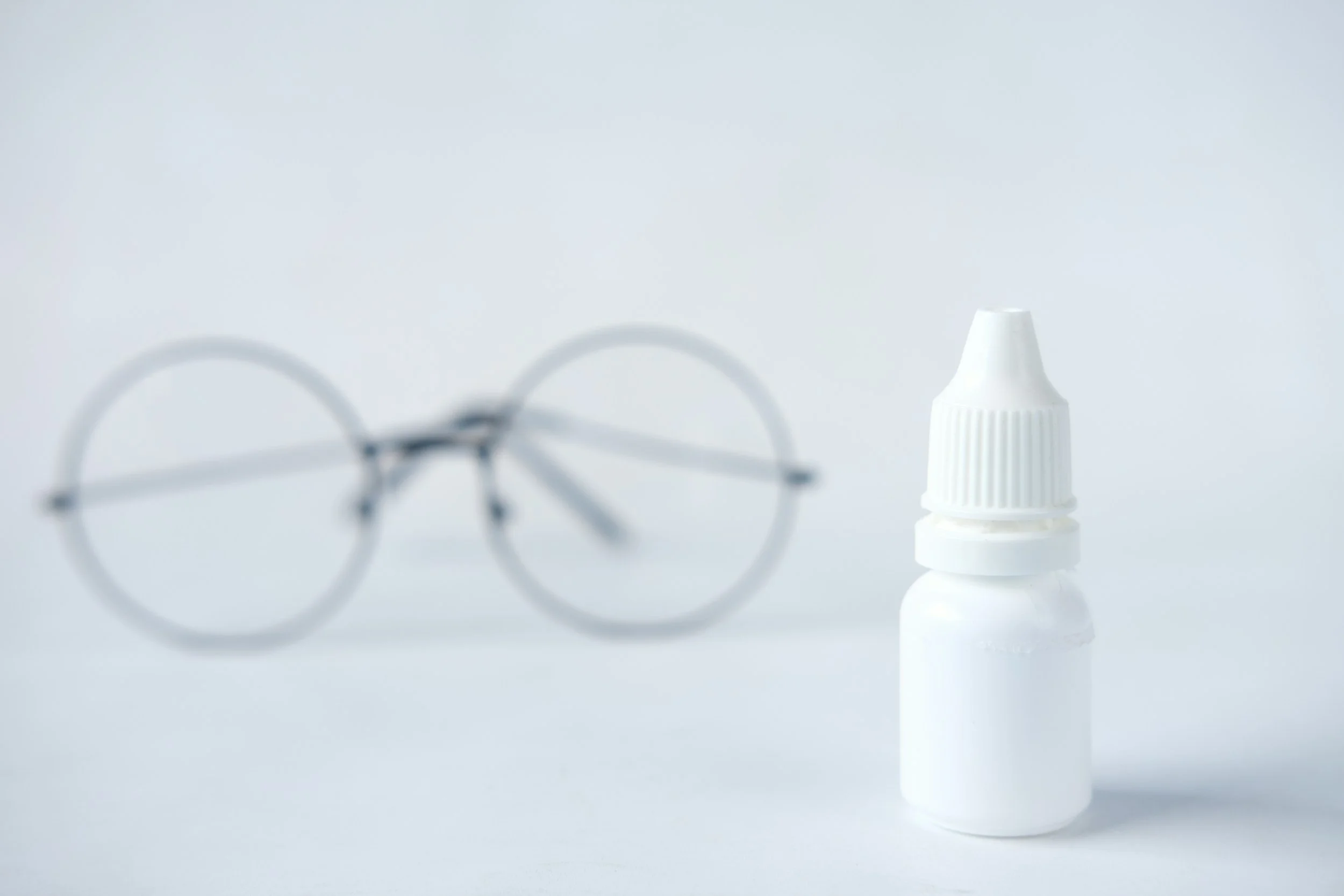
Why Are Eye Drop Caps So Hard to Open? The Design Problem Nobody Talks About
The standard eye drop bottle was designed primarily around two competing priorities — keeping children out and keeping the sterile product in. The patient using it daily, often with impaired vision, reduced grip strength, or shaky hands, was largely an afterthought.

How to Start Seeds and Maintain Your Garden with Ergonomic Tools
There is something quietly profound about putting a seed in the ground and waiting for it to grow. It asks for patience. It rewards attention. And it gives back, often generously, in ways both practical and deeply personal.

5 Kitchen Tasks That Are Harder Than They Look (And What to Do About Them)
For millions of people managing arthritis, reduced hand strength, joint pain, or dexterity challenges — whether from age, injury, or a chronic condition — "invisible" demands can quietly turn cooking from a joy into a source of fatigue, frustration, or pain.
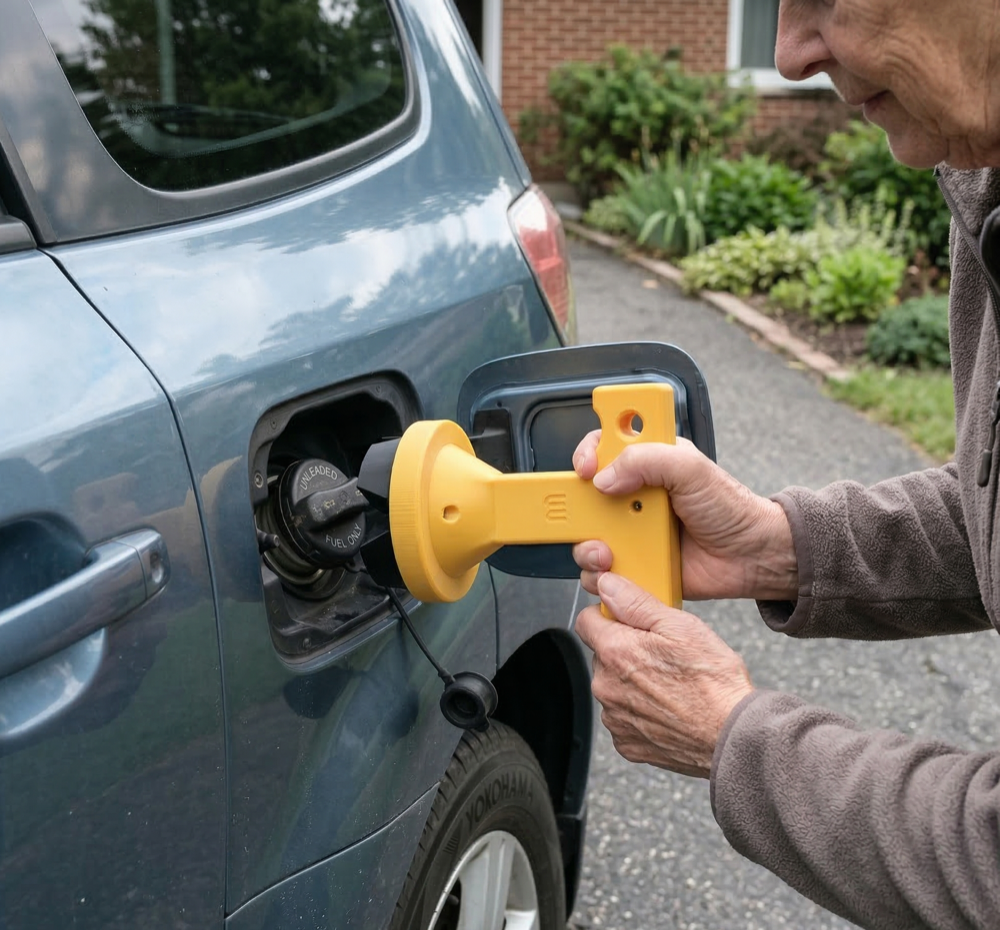
The Hidden Hurdle: How Small Tasks Can Impact Big Independence
For most of us, independence isn't defined by a single grand gesture. It’s found in the small, quiet moments: driving to the grocery store, visiting a grandchild, or taking a spontaneous road trip. But for millions of people living with reduced hand strength, those moments of freedom often come with a hidden "tax"—physical pain.
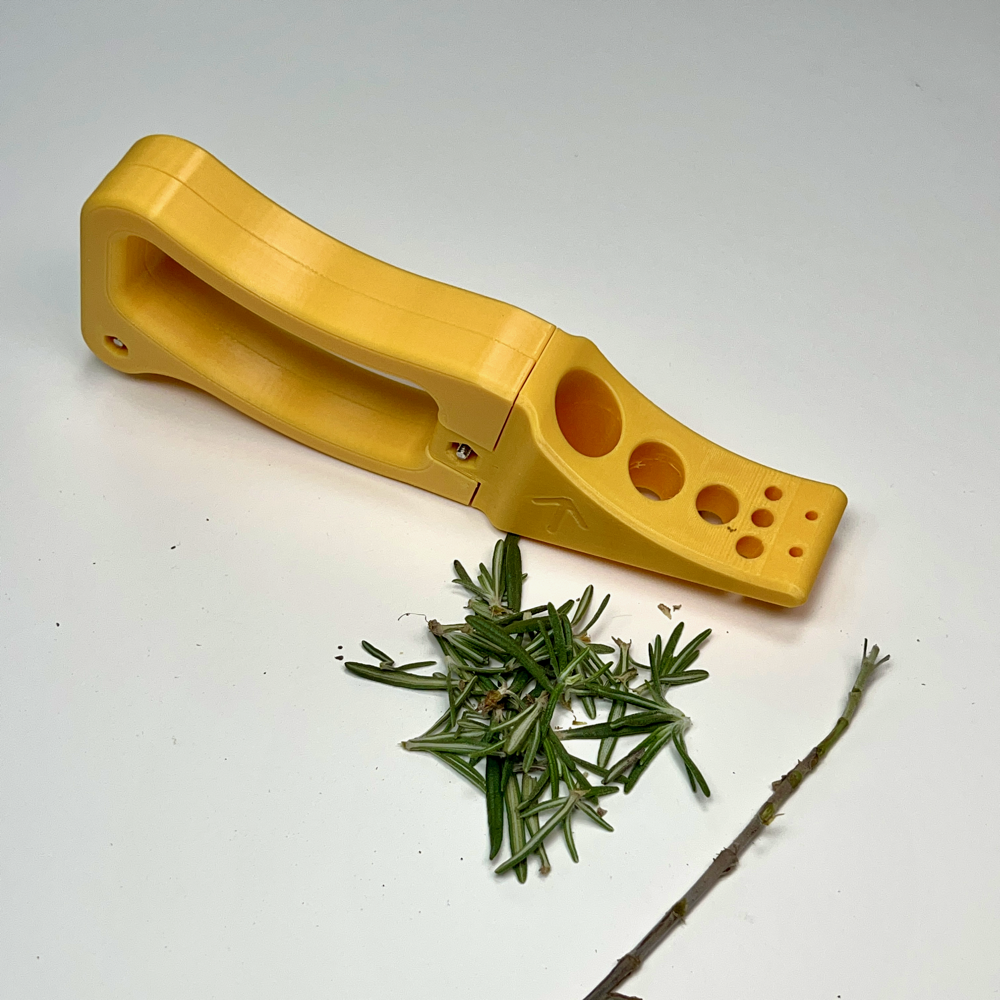
Stop the "Pincer Pain": A Better Way to Prep Your Greens
If you’ve ever spent twenty minutes de-stemming kale for a salad, you know the "pincer pain." Traditional herb strippers are usually thin, flat gadgets that force you into a tight, repetitive pinching motion.
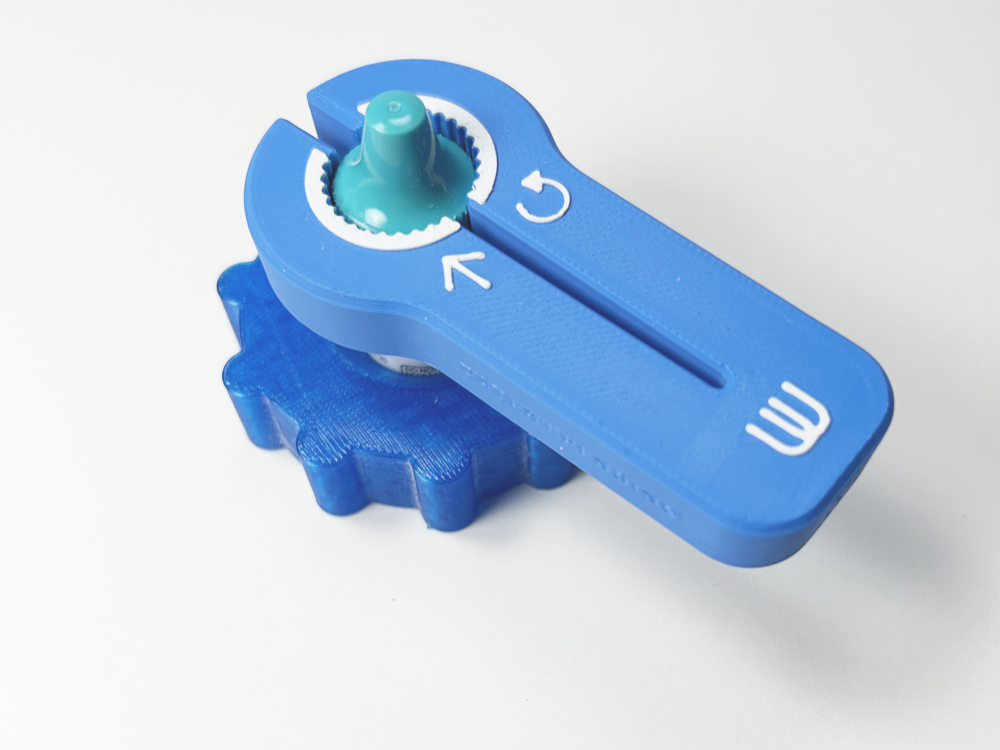
A Simple Tool to Assist with Opening Eye Drop Bottles
As we age, the tasks we once took for granted can become unexpected hurdles. For many, the simple act of administering daily medication is a source of daily frustration. In the United States alone, the CDC reports that approximately 58.5 million people (1) suffer from doctor-diagnosed arthritis.

How-to Guide: Kitchen Steady Mount
Everyday use and easy cleaning:
Center a fruit or vegetable on the base, allowing the pegs to grip it firmly. The optional petals can be removed and reattached as needed. Hand wash only.
Large fruits and vegetables:
Please use the four optional petals, along with the base.
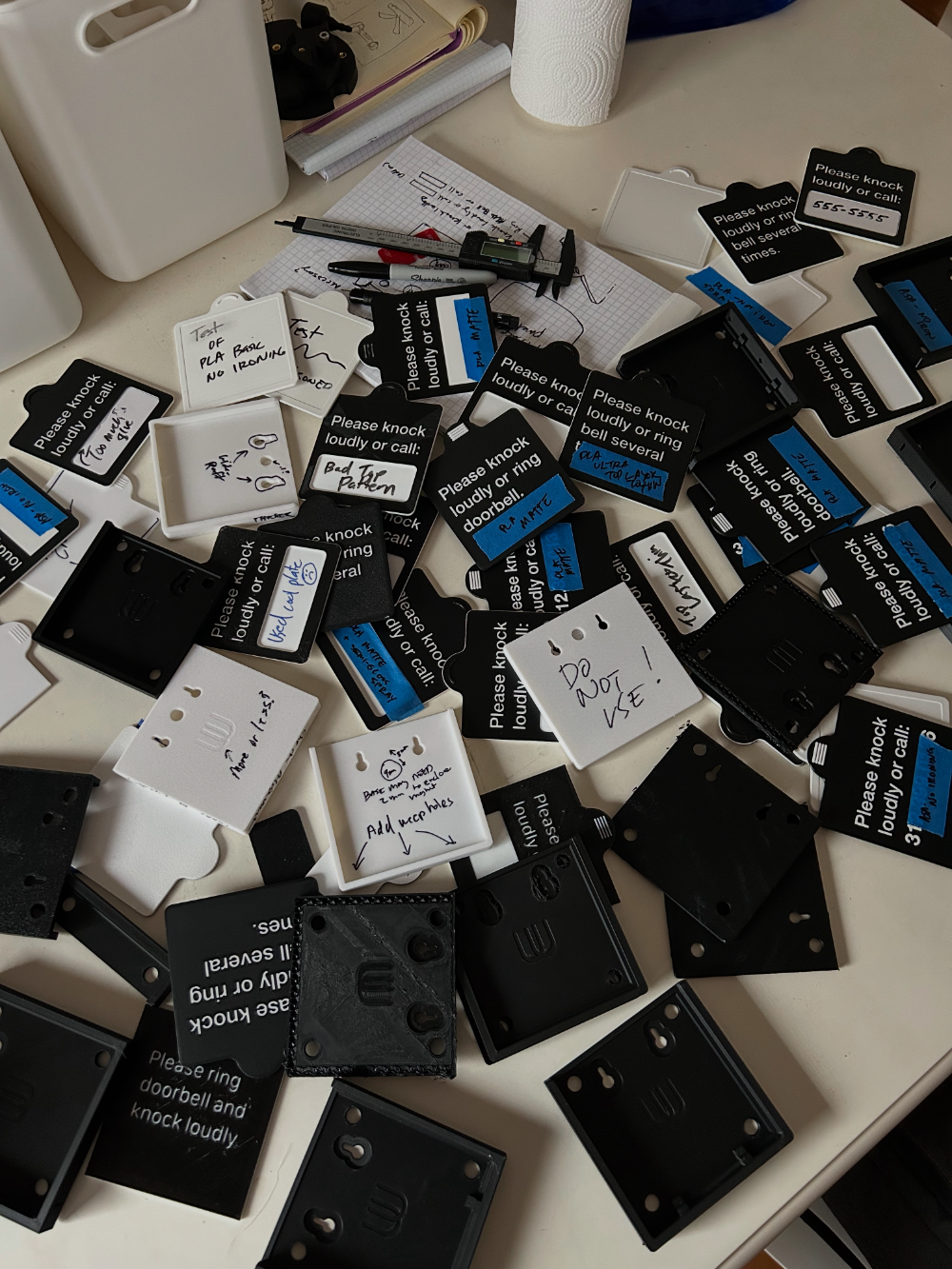
Prototypes, Boundaries, and Fear
An idea is abstract. A prototype is real. It's the moment an assumption becomes something we can hold, see, or touch. We build prototypes to make an idea's affordances tangible—to discover if an object's design clearly communicates its use.
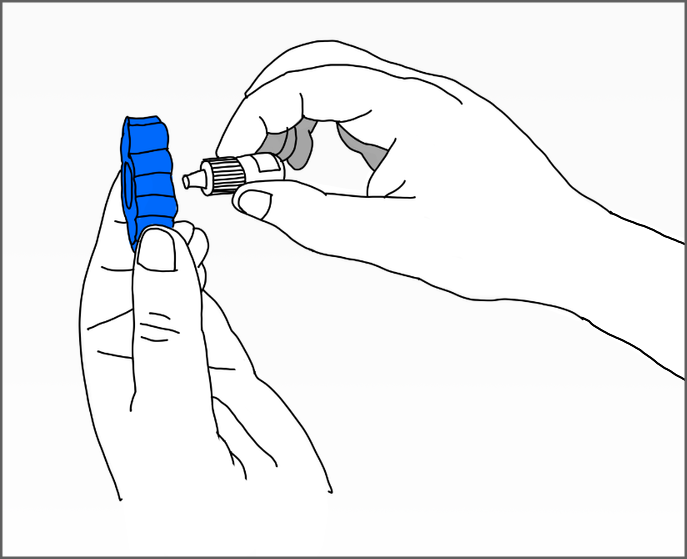
How-to Guide: Eye Drop Bottle Opener Set
Get a Good Grip: Use the squishy gripper to firmly hold the bottom part of the bottle. This will help keep the bottle steady.
Position the Wrench: Place the small wrench around the bottle cap, making sure it fits snugly.
Turn Gently: Gently turn the wrench counterclockwise (left) to loosen the cap. You will feel bottle start to open.
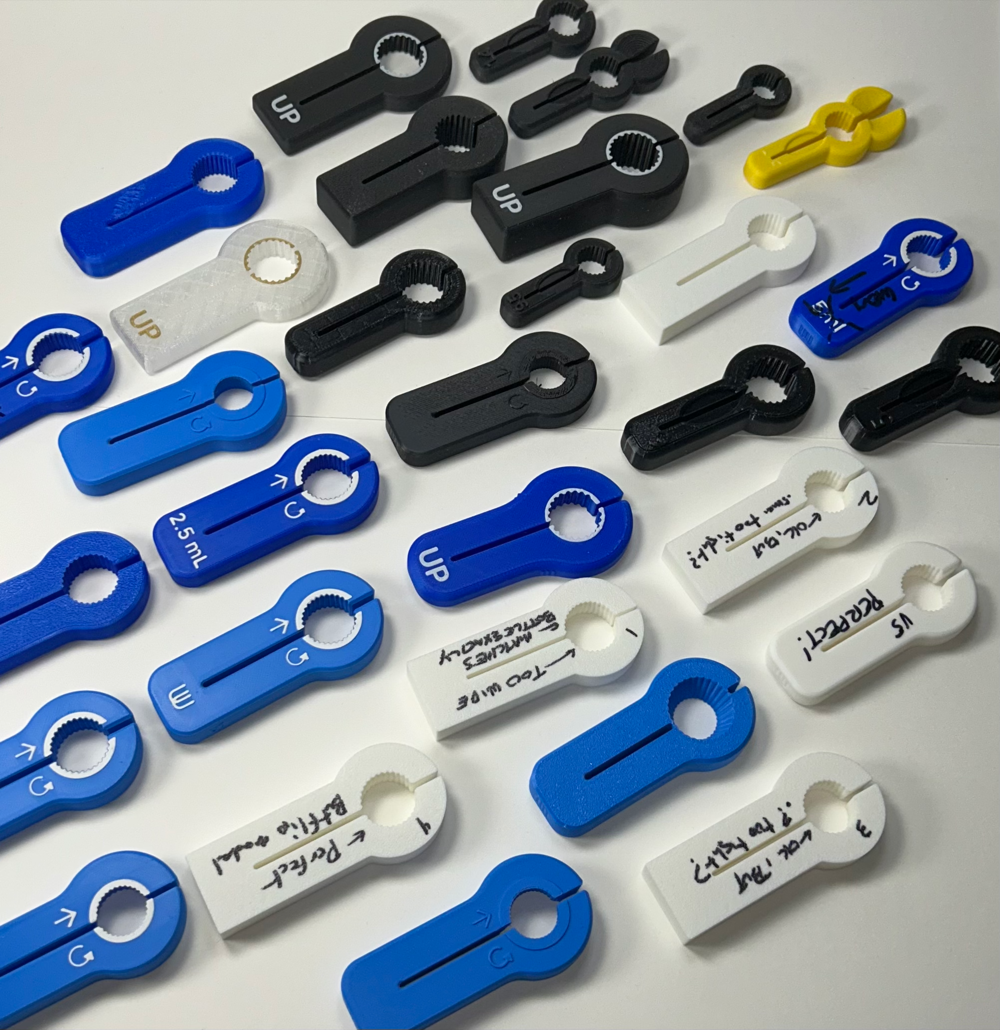
Designed for you: Why products require research, iteration, and a bet.
Before a single line is drawn or a piece of material is shaped, the process begins with understanding. Not just what people say they need, but observing the rhythm of their day, the little moments of friction, the unspoken wishes.

Designing Products for a Rapidly Aging America
The United Nations projects the global population aged 60 and over will hit 1.4 billion by 2030 (2). Here in the US, this demographic shift demands a new approach to product design – one built on empathy, foresight, and the simple elegance of making things work for people.